World Center for Strategic Studies
From closed analysis to public debate
- MONTH
- YEAR

Europe’s Rearmament Trap: More Defence Money Could Buy Too Little Security
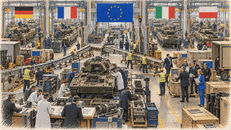
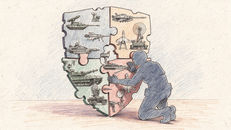
Europe is preparing to spend heavily on defence, but its fragmented procurement system threatens to undermine the benefits. In an October 22 Bruegel policy brief, Gene Frieda argues that national governments continue to purchase military equipment through separate contracts, protect domestic manufacturers and impose incompatible requirements. The result is smaller production runs, higher costs and weaker incentives for industry to expand. New European financing initiatives could help, but money alone will not solve the problem. Without binding commitments to joint purchasing and reciprocal market access, Europe risks financing the same fragmented defence industry on a much larger scale.
Europe's procurement problem starts before the contracts
European governments often decide what equipment to buy independently, even when their armed forces have similar operational needs.
Frieda argues that cooperation must begin before suppliers are selected. Participating countries should agree on common military requirements, compatible components and technical interfaces.
They must also prevent national authorities from introducing incompatible specifications later.
Otherwise, supposedly joint programmes can deteriorate into separate national projects, destroying the economies of scale they were intended to create.
New defence funds cannot fix broken markets
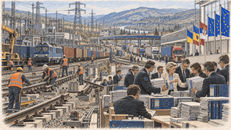
The EU's SAFE instrument offers up to €150 billion in loans, while the European Defence Industry Programme provides €1.5 billion in grants for 2025–2027.
These initiatives can ease financing constraints and encourage cooperation, but Frieda identifies a deeper structural weakness.
Cheaper loans do not automatically produce larger orders, open competition or more efficient manufacturing.
If governments continue favouring national suppliers, additional public money could reinforce existing industrial divisions rather than eliminate them.
A new defence mechanism needs real purchasing power
The proposed Multilateral Defence Mechanism offers an opportunity to change this system.
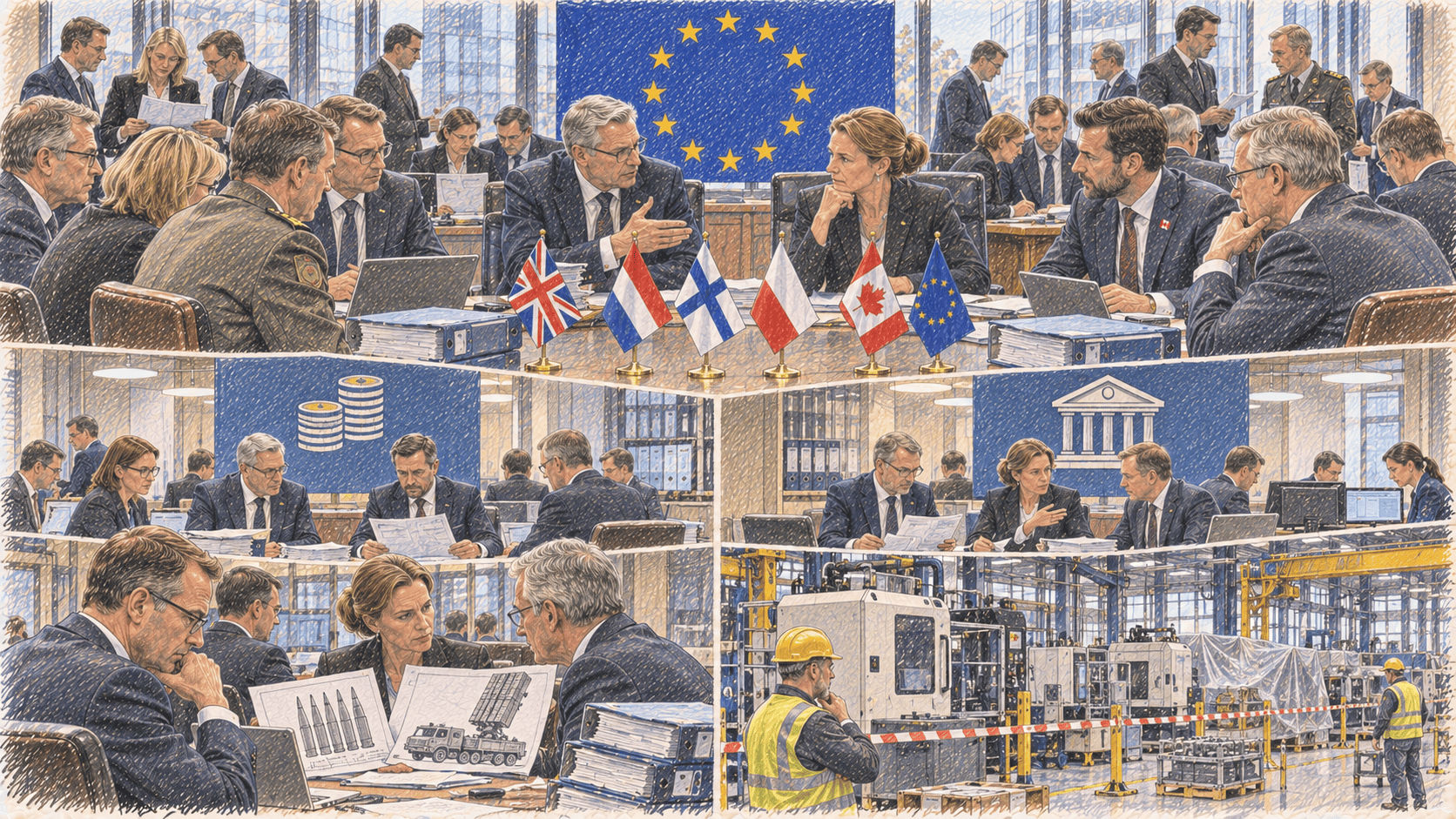
Backed by countries including Britain, the Netherlands, Finland and Poland, the initiative is intended to support defence cooperation through a new financing structure.
Frieda argues that its mandate should extend beyond lending.
It should help organise substantial, predictable joint orders, creating enough demand to justify investment in production facilities, workers and supply chains.
The central requirement is a durable purchasing commitment, not simply another source of credit.
National industrial protection remains the obstacle
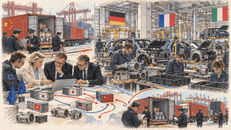
Governments frequently demand that domestic companies receive a guaranteed share of multinational defence contracts.
Such arrangements can make cooperation politically acceptable, but they also weaken competition and encourage inefficient production.
Frieda proposes reciprocal access to procurement markets for qualified suppliers from participating countries.
However, he recognises that different military products require different rules.
Standardised ammunition and interchangeable components should face strong competition. Complex platforms may require more structured industrial participation, while highly sensitive systems such as submarines can justify stricter national arrangements.
The objective is to prevent industrial protection from becoming the default condition of cooperation.
Stockpiling can help, but not every weapon belongs in storage
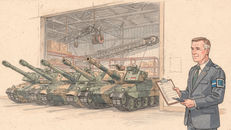
Shared ammunition stocks could provide an early opportunity for cooperation.
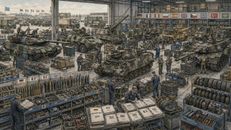
Standardised equipment can be purchased in larger quantities, stored collectively and replenished through predictable contracts.
But Frieda cautions against applying the same model to rapidly evolving technologies.
Large inventories of complete drones, for example, could become technologically outdated before they are needed.
Europe needs procurement arrangements adapted to the equipment involved, rather than a universal stockpiling policy.
Two rival financing projects risk duplicating effort
Alongside the Multilateral Defence Mechanism, a separate Defence, Security and Resilience Bank is being developed with Canadian backing.
Frieda recommends bringing the two initiatives together, if politically feasible, under a single treaty-based institution.
One financing arm would support government procurement; another would provide industrial finance to manufacturers.
If consolidation proves impossible, the institutions should at least coordinate eligibility, lending and procurement rules.
Otherwise, Europe risks creating overlapping financial structures while leaving its underlying procurement problems unresolved.
The uncomfortable truth: Europe must change how it buys weapons
Bruegel's central argument is that successful rearmament requires more than bigger budgets, cheaper loans and new institutions.
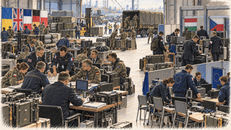
European governments must commit to compatible military requirements, substantial joint orders and genuine competition between suppliers from participating countries.
Frieda's proposed mechanism would reward cooperation with access to financing and procurement opportunities, while limiting guaranteed national industrial returns.
Without those changes, Europe's defence spending could increase much faster than its military production capacity – leaving governments with higher bills but insufficient additional equipment.