World Center for Strategic Studies
From closed analysis to public debate

- MONTH
- YEAR

Europe’s Megabank Trap: Deregulation Is the Wrong Escape
Bruegel’s working paper lands in the middle of Europe’s latest competitiveness panic.
Big EU banks want relief, US rules are being loosened, and Brussels is under pressure to respond.
But the paper’s message is sober and sharp: Europe is not losing because its megabanks are crushed by capital rules.
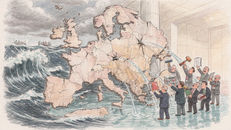
The real weakness is uglier – a fragmented banking union, messy buffers, national barriers and a crisis system still not fit for a truly European market.
Copying American deregulation would not make Europe stronger. It would make it more exposed.
Washington takes the low road
The paper warns that the United States has begun moving into risky territory.
Under the second Trump administration, bank capital requirements and supervisory intensity have been cut back. Stress testing, leverage rules and regulatory staffing have all come under pressure.
That may look like a gift to Wall Street. Bruegel treats it as a danger signal. Weak supervision does not create lasting competitiveness. It stores up systemic risk and makes the next crash harder to spot before it spreads.
Europe’s banks are not the victims they claim
The loud industry argument is familiar: EU megabanks are supposedly held back by tougher rules than their American rivals.
Bruegel pushes back. At the end of 2024, the largest US banks generally faced stricter requirements than comparable EU megabanks, especially on leverage. Even after US easing in 2025, the paper says there is still no case that American rules are creating crippling pressure on Europe’s biggest banks.
That matters because it undercuts the easy excuse. Europe’s banking problem is not simply that regulators are too strict.
Fragmentation is the real drag
The deeper failure sits inside Europe itself.
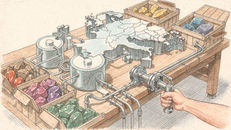
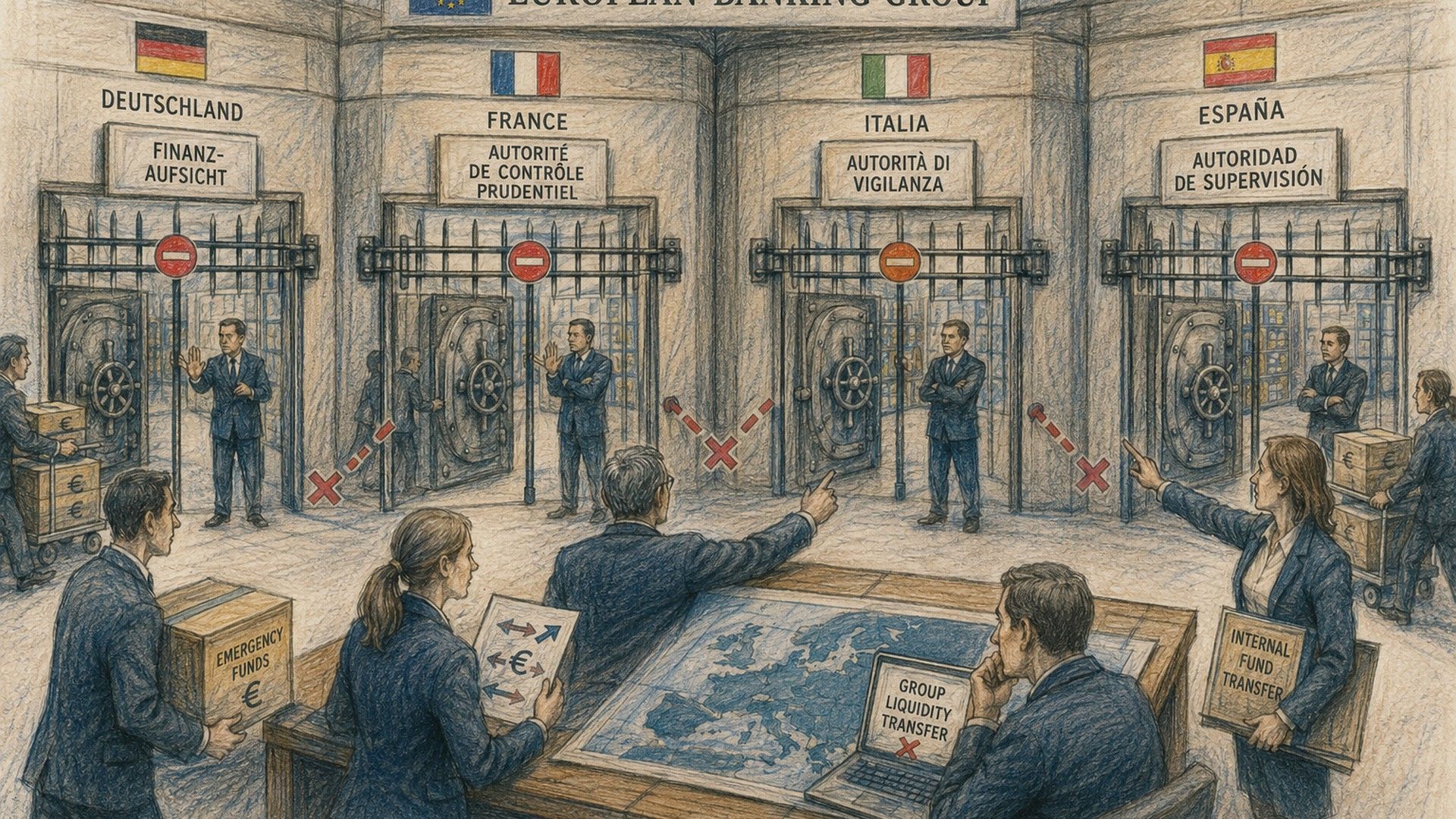
Even within the euro area, capital and liquidity do not move as freely as they should across banking groups. National authorities still protect local buffers, local subsidiaries and local crisis options.
That traps resources inside borders and weakens the banking single market. Europe says it wants continental champions, but still regulates too much as if every national banking system must defend itself alone.
Complexity is eating the system
Bruegel does not defend the current capital framework as neat or elegant.
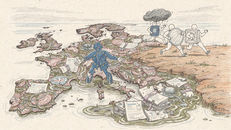
The paper points to a dense stack of rules, buffers, add-ons and national measures. The result is costly, hard to read and difficult to explain.
But simplification must not become deregulation by another name. The fix is not to lower the guardrails. It is to make them clearer, more coherent and more European.
Basel still matters
The paper also warns against drifting away from global standards.
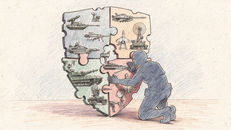
Europe has an interest in keeping the Basel framework credible, because international alignment reduces the risk of regulatory games between major financial centres.
If the EU joins a race to loosen rules just because Washington is doing it, it weakens its own claim to financial stability leadership. That would be a poor bargain: a short-term competitive gesture in exchange for more systemic danger.
Banking union is still unfinished business
The high road is not passive caution. It requires real reform.
Bruegel wants the EU to build on the success of euro-area microprudential supervision under the ECB and push integration further into macroprudential policy and crisis response.
That means stronger common handling of buffers, resolution, deposit insurance, liquidity support and sovereign-exposure risk. In plain terms, Europe needs fewer national escape hatches and a banking union that can actually work under stress.
The stark truth: Europe’s banks need integration, not indulgence.
Bruegel’s warning is clear. The EU should not answer American deregulation with its own weaker rulebook. That would be a race to the bottom, not a growth strategy.
Europe’s megabanks need a bigger home market, simpler rules and a credible crisis framework. They do not need Brussels to pretend that lower capital is the same as strength.
The low road is tempting. It is also how banking disasters begin.