World Center for Strategic Studies
From closed analysis to public debate

- MONTH
- YEAR

France and Sweden Forge a Baltic Defence Axis
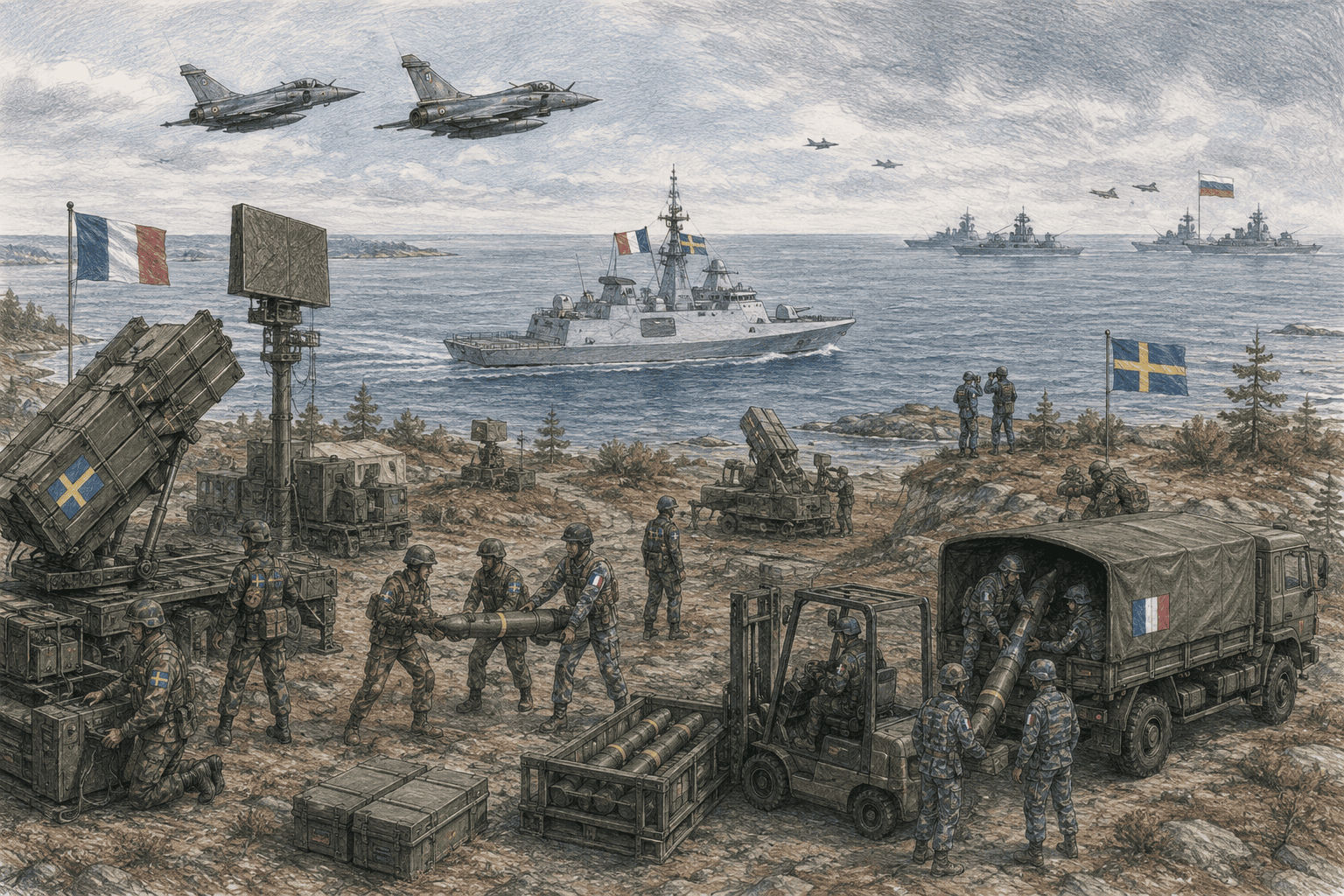
France and Sweden are moving far beyond a one-off arms deal.
Stockholm’s €4.3bn order for four French-built Luleå-class frigates is becoming the anchor for a much broader defence partnership covering missiles, air defence, nuclear deterrence and possibly future combat aircraft.
The assessment points to a major shift in northern Europe: Sweden is tying itself more closely to French military power just as NATO’s Baltic flank faces sustained pressure from Russia.
For Europe, the message is clear – regional security is becoming increasingly dependent on countries that can actually deliver weapons, ships and deterrence rather than merely promise cooperation.
The frigates are only the opening move
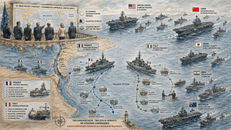
Sweden’s four new frigates will be based on Naval Group’s FDI design, with the first ship due in 2030.
But Stockholm is not simply buying French hulls. Swedish weapons and systems are expected to be integrated into the vessels, creating an industrial partnership rather than a straightforward foreign purchase.
That gives both countries a reason to keep working together long after the ships enter service.
Paris is pushing north
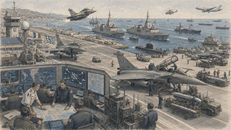
France is steadily expanding its security role in the Baltic and Nordic region.
The relationship could stretch into air and missile defence, long-range naval cruise missiles and deeper military cooperation involving Finland. That would give Paris a stronger foothold in an area traditionally dominated by Nordic states, Germany, Britain and the United States.
Sweden wants capabilities, not slogans
Stockholm’s choice also exposes a harder truth about European defence procurement: speed and mature technology matter.
The French FDI beat British and Spanish alternatives partly because Sweden wanted a proven platform that could be delivered rapidly and adapted to Swedish requirements.
In a worsening security environment, governments have less patience for programmes that exist mainly on paper.
The nuclear question is getting harder to ignore
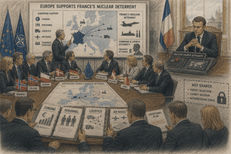
One of the most strategically significant possibilities is Swedish interest in France’s debate over an expanded European role for its nuclear deterrent.
For decades, most of Europe has relied overwhelmingly on the American nuclear umbrella. Doubts over Washington’s long-term commitment are now forcing Europeans to examine alternatives that once looked politically unrealistic.
A deeper Swedish connection to French deterrence would be another sign that Europe is preparing for a future in which US guarantees may be less automatic.
Industry is driving strategy
The partnership works because both sides bring serious defence-industrial assets.
France offers warships, missiles, combat aircraft and nuclear capabilities. Sweden contributes advanced sensors, artillery systems, anti-ship missiles, torpedoes and aerospace expertise.
Instead of protecting national industries behind closed doors, Paris and Stockholm are finding areas where their systems can reinforce each other.
Britain and others lose ground
There is also a competitive edge. Sweden’s frigate decision left British and Spanish bids behind, showing that Europe’s rearmament drive will create winners and losers inside Europe itself.
Countries unable to offer mature products, competitive delivery schedules and credible industrial cooperation risk watching major contracts go elsewhere.
The next prize could be the skies
The most ambitious possibility is Swedish involvement in a future European combat-aircraft programme.
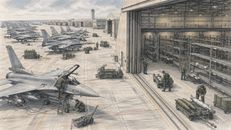
If Stockholm eventually connects its Gripen expertise with French plans for next-generation aviation, the consequences would reach well beyond a bilateral partnership. It could reshape Europe’s already fragmented fighter-aircraft landscape and alter the balance between competing continental programmes.
The key point: Europe’s defence map is being redrawn
The Franco-Swedish partnership shows what serious European rearmament may increasingly look like – practical deals between capable states rather than grand declarations involving everyone.
If the cooperation expands from frigates into missiles, air defence, nuclear deterrence and combat aircraft, Paris and Stockholm could become one of the most important new defence axes on NATO’s northern flank.