World Center for Strategic Studies
From closed analysis to public debate

- MONTH
- YEAR

Europe’s Car Industry Faces a False Rescue: Paris and Berlin Risk Delaying the Electric Revolution
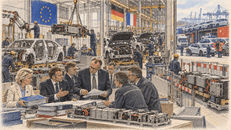
France and Germany are trying to protect Europe's struggling automotive industry through a compromise that could weaken its long-term competitiveness. The central criticism of their agreement is that relaxing the transition away from combustion engines, while strengthening preferences for European-made vehicles, addresses political pressure more readily than the industry's structural problems. European manufacturers face intense competition from Chinese electric-vehicle producers, high production costs and uncertainty over future demand. Giving established carmakers more regulatory flexibility may ease immediate pressures, but it does not guarantee that they will develop cheaper, more competitive electric vehicles.
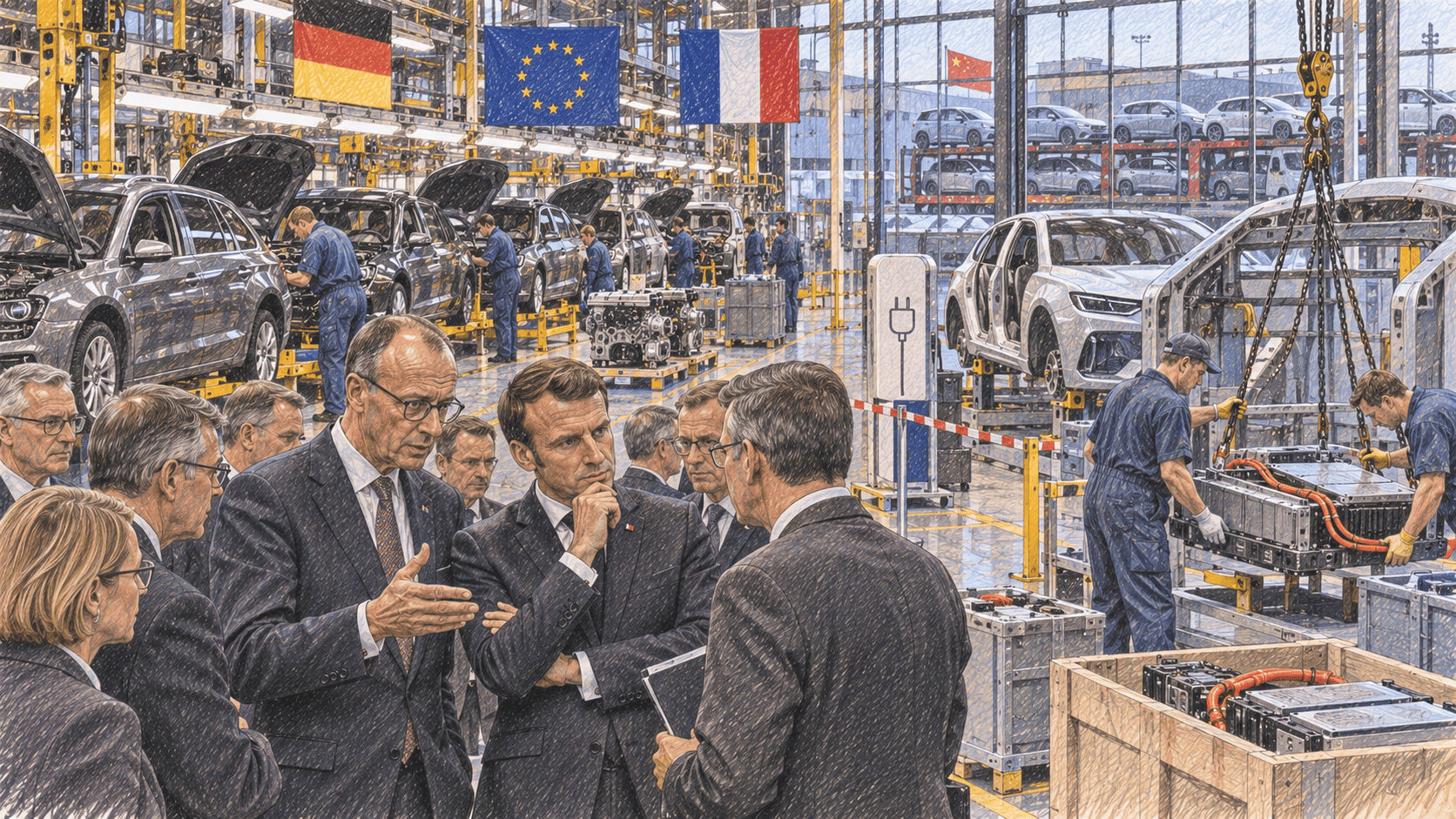
Paris and Berlin want different kinds of protection
Germany's priority is greater flexibility over EU emissions requirements, particularly the rules governing new cars from 2035.
France has emphasised support for European manufacturing through local-content requirements and preferences in public incentives.
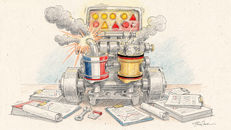
The compromise brings these approaches together, but their economic effects are not necessarily complementary.
Protecting existing engine technologies could delay investment in electrification, while restricting support to European production could increase costs and complicate international supply chains.
Europe cannot regulate away Chinese competition
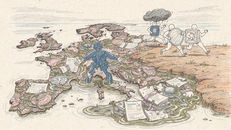
Chinese manufacturers have developed substantial advantages in electric-vehicle production, particularly in batteries, manufacturing scale and affordable models.
European producers face the challenge of matching those capabilities while maintaining employment and investment at home.
Regulatory concessions may give companies more time to adapt. They cannot, by themselves, close the technological and cost gaps.
The danger is that temporary relief becomes an alternative to industrial restructuring.
“Made in Europe” could create new trade problems
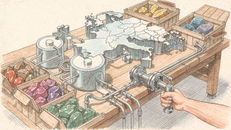
Stricter local-content rules could favour manufacturers producing inside the EU, but they also risk disrupting supply chains involving Britain, Türkiye, Morocco and other trading partners.
The Franco-German agreement provides for conditional inclusion of some non-EU countries, but the final scope remains politically sensitive.
Protectionist measures could also increase production costs and generate disputes with trading partners, particularly if eligibility depends on restrictive origin requirements.
The 2035 emissions target is being diluted
The October 16 agreement proposes reducing the 2035 emissions-cutting requirement from 100% to 90%, with additional flexibility linked to alternative fuels.
Supporters argue that this would preserve manufacturing employment and allow a broader range of technologies.
Critics contend that it could weaken incentives to develop fully electric vehicles and prolong investment in combustion-engine platforms.
The compromise still requires wider EU agreement and is not settled legislation.
The hard lesson: Industrial protection cannot substitute for technological competitiveness
The Franco-German agreement offers a politically negotiated response to immediate pressure on Europe's automotive manufacturers. It combines regulatory flexibility with measures intended to preserve European production.
Yet the underlying competitiveness challenge remains: manufacturers must improve battery technology, reduce costs, develop affordable electric vehicles and adapt to changing international markets.
Without progress in those areas, the agreement could preserve existing production structures without securing their future.