World Center for Strategic Studies
From closed analysis to public debate

- MONTH
- YEAR

Germany’s Rearmament Test: Berlin Has Money, But Still Lacks Grip
Germany has published the first military strategy in the Bundeswehr’s history – and the FPRI analysis treats it as both a milestone and a warning. Berlin is finally admitting that Russia is the central threat, that territorial defence is back, and that Germany must become a serious military actor at the heart of NATO.
But the ugly problem remains: strategy is easier than execution. Germany now has the money, political urgency and alliance pressure to rearm at historic speed. What it still lacks is the accountability, procurement discipline, industrial capacity and strategic culture needed to turn ambition into usable combat power.
The Zeitenwende is no longer about speeches. It is about delivery.
The strategy finally names the threat
The 2026 military strategy matters because Germany has long avoided this kind of direct military framing.
For decades, Berlin preferred restraint, multilateral language and defence policy buried inside NATO and EU structures. Now the Bundeswehr document is far clearer: Russia is the main threat, national and alliance defence are central, and Germany must strengthen deterrence on NATO’s eastern flank.
That is a real shift.
But it is also late. Russia’s full-scale war against Ukraine forced Germany to say what many allies had been saying for years.
Ambition is suddenly huge
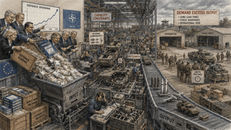
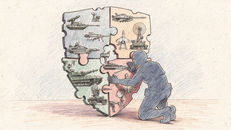
Germany wants to become a pillar of European conventional defence. That means more spending, more readiness, more deployable forces, more ammunition, stronger air defence and a defence industry capable of sustaining long-term pressure.
The old Bundeswehr was built for limited missions, tight budgets and political caution. The new one is supposed to prepare for high-intensity war in Europe.
That is not a reform. It is a transformation.
And Germany is trying to do it while the security environment is already deteriorating.
Money is no longer the main excuse
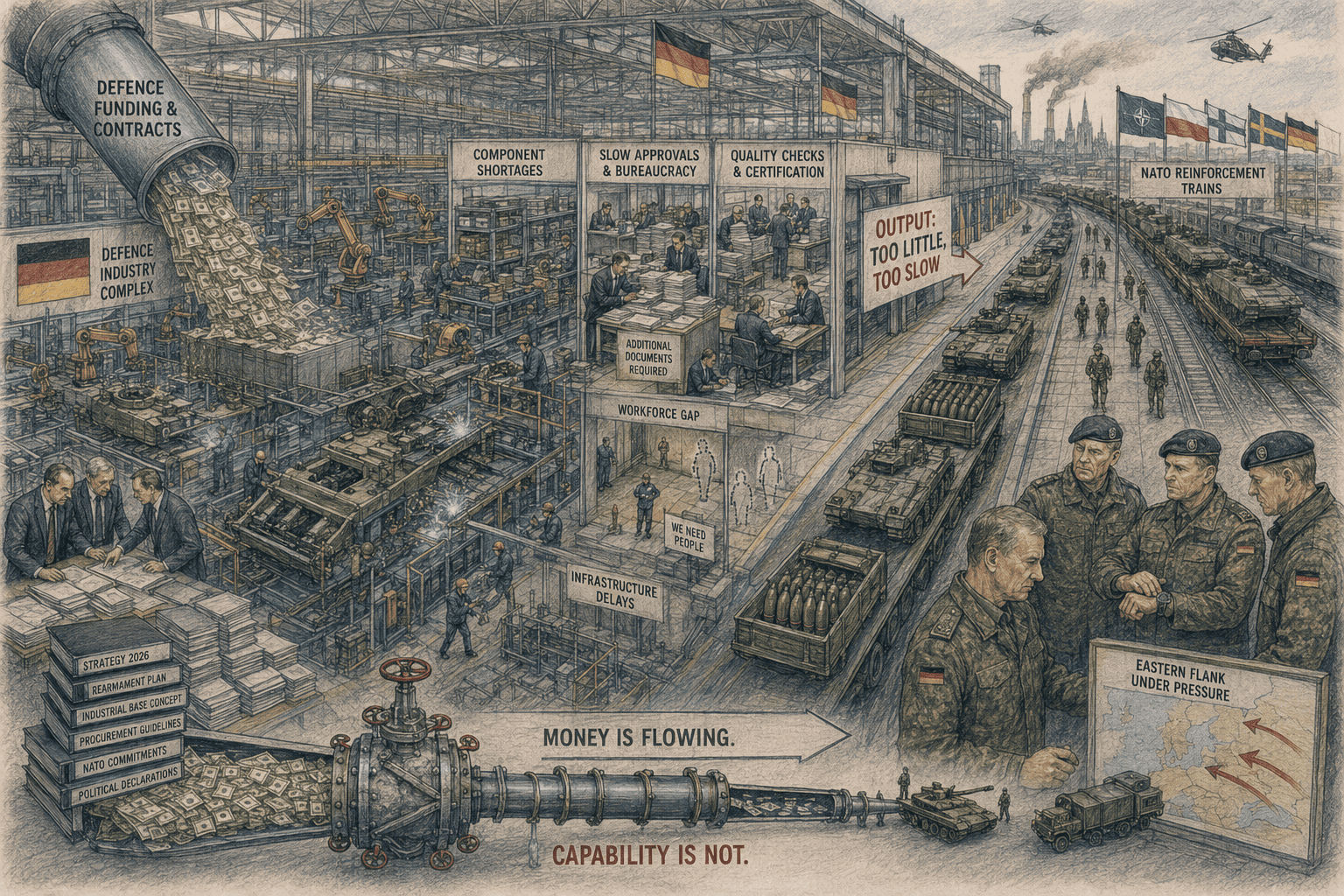
For the first time in modern German defence policy, cash is not the biggest constraint.
The special fund, looser fiscal rules and rising defence budgets have removed the most convenient alibi. Berlin can no longer say it wants more military capability but cannot afford it.
That changes the accountability question.
If the Bundeswehr still fails to deliver, the blame will move from budget scarcity to political management, procurement failure, industrial bottlenecks and weak execution.
Germany now has to prove it can spend well, not just spend more.
Procurement is the danger zone
FPRI’s core concern is the gap between strategy and machinery.
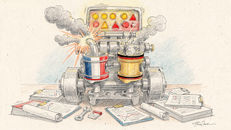
Germany’s procurement system remains slow, legalistic and overloaded. Complex rules, fragmented responsibilities and risk-averse culture can turn urgent military needs into years of delay.
That is lethal in a rearmament race.
Russia is rebuilding, NATO wants stronger European capability, and Washington is increasingly impatient. Germany cannot answer that pressure with forms, studies and tender procedures.
Process is eating speed
The strategy talks about readiness, resilience and deterrence. But the Bundeswehr’s real test will be whether those words survive contact with bureaucracy.
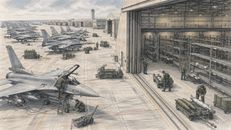
Can Germany buy ammunition fast enough? Can it repair equipment quickly? Can it recruit and retain enough soldiers? Can industry scale production? Can the armed forces integrate new technology without drowning in paperwork?
These are not technical details. They are the difference between a stronger Germany on paper and a stronger Germany in war.
Leadership still feels uncomfortable
The deeper issue is political culture.
Germany is being pushed towards military leadership in Europe, but its strategic reflexes still lag behind. Its history makes that understandable. But the FPRI analysis suggests that hesitation can no longer be the organising principle of German security policy.
Allies now expect Berlin to lead, not only contribute.
That means taking hard decisions, accepting responsibility, explaining military power to the public and matching resources with outcomes.
The weakness rivals will exploit
Russia will not care that Germany has produced its first military strategy. It will care whether NATO’s central European heavyweight can move, supply, reinforce and fight.
If Germany’s rearmament remains stuck between grand ambition and weak accountability, deterrence suffers. Allies on the eastern flank will remain nervous. The United States will keep questioning Europe’s seriousness. German promises will start sounding hollow.
A strategy that cannot be implemented becomes a liability.
The reality check: Rearmament is not a document
The FPRI analysis shows Germany at a decisive moment. Berlin has finally accepted the need for military power, but acceptance is not capability.
The country now faces a harder test than announcing a Zeitenwende or publishing a strategy. It must rebuild institutions, fix procurement, expand industry, strengthen manpower and create a culture of delivery.
Germany wants to be Europe’s defence backbone.
Now it has to stop behaving like a country still surprised that armies need to be built before they are needed.