World Center for Strategic Studies
From closed analysis to public debate
- MONTH
- YEAR

Europe’s Energy Panic Returns
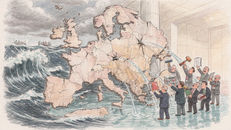
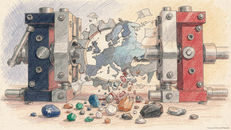
Four years after Russia’s gas squeeze sent Europe into economic shock, Brussels is bracing for another energy mess – this time driven by war in the Middle East and the threat of disrupted oil and gas flows through the Strait of Hormuz. The CER commentary and wider Reuters reporting paint a grim picture of a continent still dangerously exposed to events it cannot control.
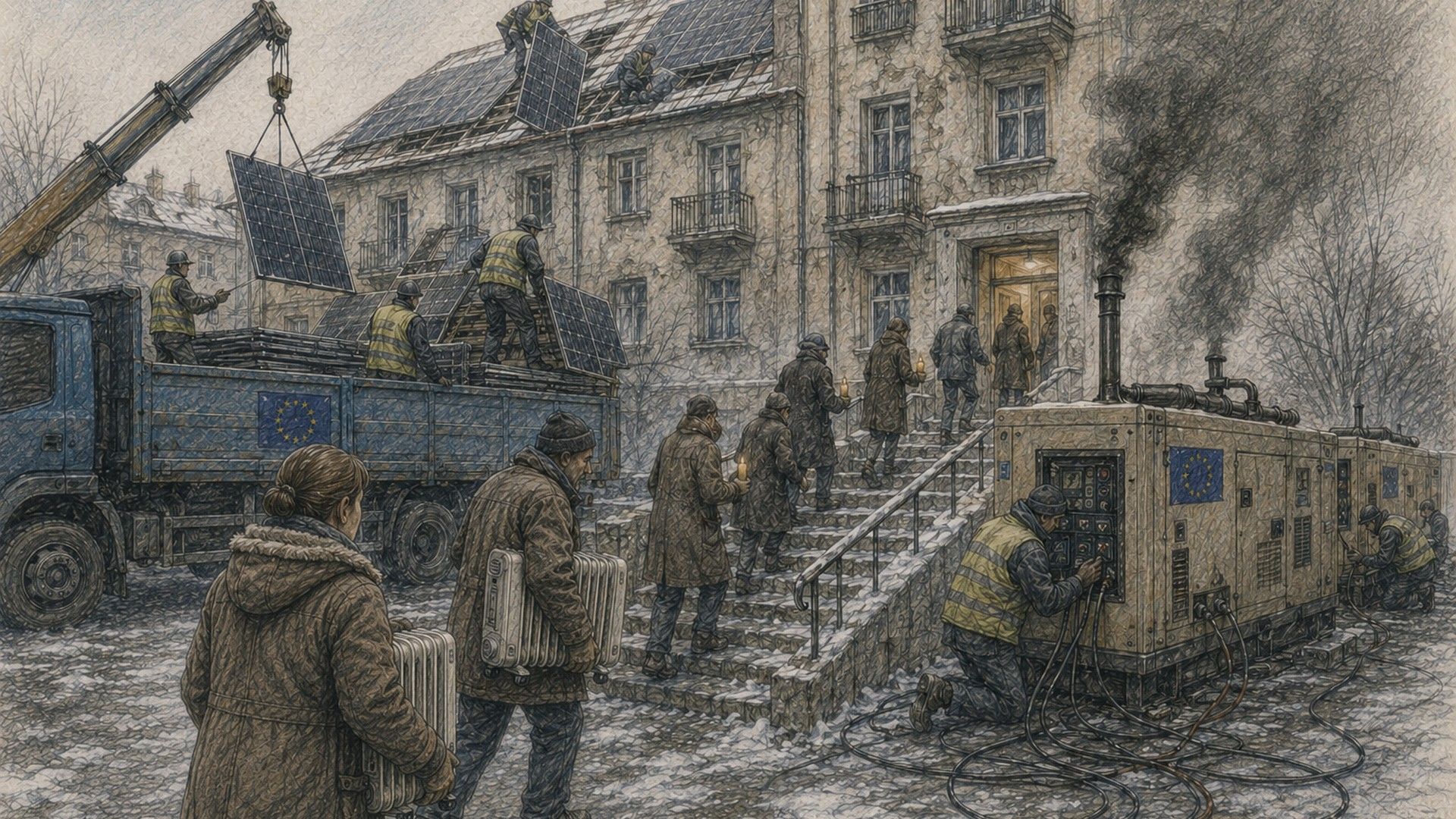
EU officials are scrambling to contain rising prices with tax cuts, gas storage co-ordination and emergency relief plans. But behind the calmer language sits a brutal reality: Europe remains hooked on imported fossil fuels, still vulnerable to global chaos, and still paying the price for years of strategic dependence.
The crisis may look different from 2022, but the weakness is painfully familiar.
Another shock Europe cannot control
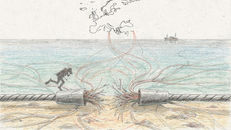
The immediate fear is a new energy spike triggered by the Iran war and disruption to one of the world’s most important fuel routes. European gas prices have already surged sharply since the conflict escalated, reviving memories of the economic trauma unleashed after Russia throttled gas supplies.
The EU has more renewables than it did four years ago, which may soften electricity price shocks. But oil and gas imports still dominate large parts of Europe’s economy, leaving households, industry and transport exposed to price swings driven thousands of miles away.
The uncomfortable message is clear: Europe reduced one dependency only to discover it still cannot shield itself from the next geopolitical crisis.
Washington moves – Europe reacts
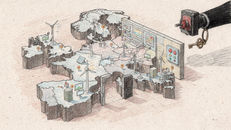
The wider power imbalance is impossible to ignore. Europe’s energy stability now depends heavily on decisions made in Washington, Tehran and the Gulf rather than Brussels.
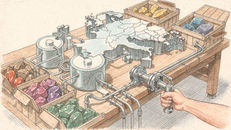
The EU can tweak taxes, refill gas storage and urge companies to cut consumption. What it cannot do is control wars, shipping lanes or global fuel markets. That leaves Europe once again reacting to crises rather than shaping events.
Even the Commission’s response shows the limits of EU power. Many emergency tools remain in national hands, exposing the bloc’s fragmented system and the difficulty of mounting a unified response when panic starts spreading.
Process is eating strategy
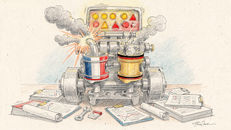
Brussels is trying to avoid the dramatic interventions seen during the 2022 crisis, including price caps and windfall taxes. Officials fear the latest shock could drag on for months, meaning the EU may burn through its political ammunition too early.
Instead, the response relies on softer measures – tax flexibility, co-ordination, guidance and voluntary demand cuts. That may buy time, but it also risks looking weak if prices keep climbing and shortages worsen.
The underlying problem has not changed: Europe still lacks a fully resilient energy system capable of absorbing external shocks without economic pain.
The renewables shield – but not enough
There is one area where Europe has strengthened its position. Renewable and nuclear power now account for a far larger share of electricity generation than during the Russia crisis.
That gives governments some protection against runaway electricity costs and reduces dependence on imported gas for power generation. But the relief is partial, not decisive.
Heavy industry, transport and heating still rely heavily on imported fossil fuels. The continent remains exposed to oil shocks, LNG market turmoil and supply disruptions beyond its borders.
Europe may be greener than before – but it is not secure.
This will hit industry and voters
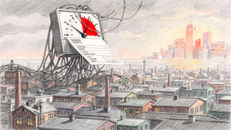
The political risks are growing fast. Higher energy costs threaten factories, transport networks and already fragile European economies struggling with weak growth and voter anger.
Governments know another prolonged energy crunch could fuel backlash politics, deepen divisions between member states and intensify pressure on struggling industries already complaining about high costs and declining competitiveness.
The danger is not just economic pain. It is another collapse in public confidence that Europe’s leaders actually have control over the system.
The hard lesson: Europe is still exposed
Europe escaped the Russia shock battered but intact. Yet this latest crisis shows how little strategic comfort that victory really brought.
The continent has improved resilience, expanded renewables and diversified suppliers. But the core vulnerability remains: Europe still depends heavily on imported energy flowing through unstable regions and contested global markets.
That means every geopolitical crisis abroad can still become an economic crisis at home.
And Europe knows it.