
World Center for Strategic Studies
From closed analysis to public debate
POPULAR
- MONTH
- YEAR

Europe vs Trump 2.0: The Comfort Zone Is Gone

The analysis lays out a stark scenario Europe has spent years hoping to avoid. A second Trump presidency would not just test transatlantic ties – it would rip away Europe’s remaining illusions about security, economics and self-reliance. The piece argues that Europe is dangerously underprepared for a United States that demands payment, loyalty and results, not gratitude or shared values.
Germany’s Fiscal Straitjacket: Rules That No Longer Fit

The analysis zeroes in on Germany’s growing fiscal bind and delivers an uncomfortable message – the rules that once guaranteed stability now risk locking the country into stagnation. Berlin faces huge investment needs in defence, infrastructure and climate transition, yet remains hemmed in by strict budget constraints. The piece argues that Germany is stuck between discipline and decay, and the longer it hesitates, the higher the price.
Merz’s Debt Bet: Germany Flirts With Fiscal Trouble
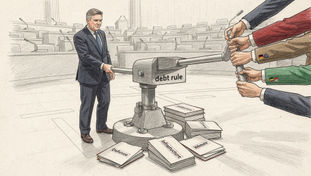
The analysis takes a hard look at Friedrich Merz’s openness to bending Germany’s debt rules and finds a risky gamble hiding behind pragmatism. What is sold as flexibility to fund priorities could quickly become a credibility problem for Berlin and a headache for Europe. The piece argues that once Germany starts loosening the brakes, it may struggle to control the slide.
Europe’s Real Crisis: Falling Behind While Others Race Ahead
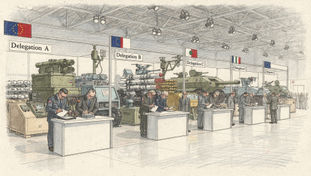
The commentary flips Europe’s favourite talking point on its head. Immigration grabs headlines and fuels elections, but it is not the continent’s most serious problem. The real danger, the piece argues, is Europe’s growing technological backwardness. While politicians argue over borders, Europe is quietly losing the race that actually determines power, wealth and sovereignty.
Europe’s Defence Dilemma: Guns Now, Bills Later

The paper tackles a problem Brussels prefers to blur – how to pay for higher defence spending without blowing up already fragile public finances. As war returns to Europe’s doorstep, governments promise more tanks, shells and soldiers. The analysis argues that the money question is being dodged, not solved. Europe wants security and fiscal discipline at the same time, but the trade-offs are catching up fast.
Germany’s Big Spend, Wrong Target: Europe Misreads Ukraine’s Lesson
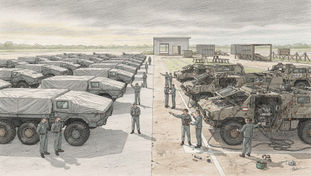
The analysis delivers a sharp warning about Germany’s latest spending plans, arguing that Berlin is drawing the wrong conclusions from the war in Ukraine. Faced with shock and fear, Europe’s biggest economy is opening the chequebook. But the piece says the money is being aimed at comfort and symbolism, not the hard capabilities the conflict actually demands. The result is movement without direction.
Will Europe Fail? The Question Nobody Wants to Answer

The commentary confronts a question Brussels prefers to dodge – not whether Europe faces problems, but whether it is structurally capable of fixing them. It does not predict collapse or drama. Instead, it lays out a colder risk: slow failure through hesitation, fragmentation and loss of nerve. Europe, the piece argues, is drifting into a world where power moves faster than its institutions can cope.