World Center for Strategic Studies
From closed analysis to public debate
- MONTH
- YEAR

Europe’s World Order Is Collapsing – And Brussels Is Still Playing by Yesterday’s Rules
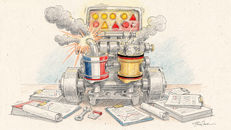
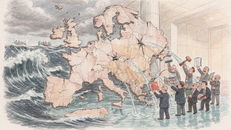
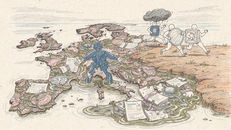
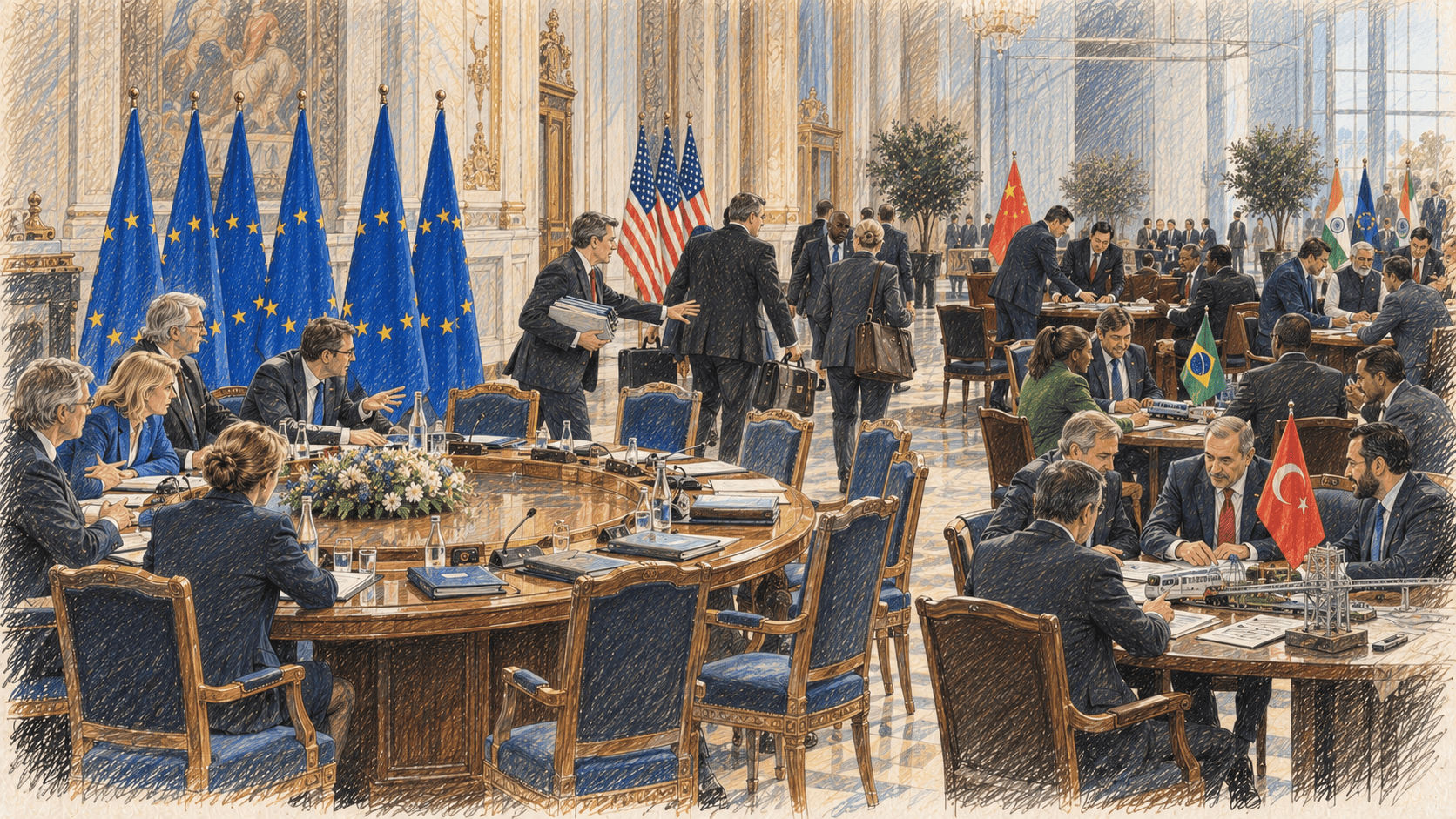
The international system Europe helped build is coming apart, but Brussels is struggling to adapt. An ECFR commentary warns that the world is moving beyond familiar rules and institutions into something more dangerous – a global landscape where countries increasingly act without any shared framework. America is retreating from multilateralism, China is building alternative networks and emerging powers are striking deals without waiting for Western approval. Europe, meanwhile, remains preoccupied with defending institutions whose authority is fading. Unless it changes course, the EU risks becoming a spectator in a world where influence belongs to those who can act, negotiate and improvise.
The old order has lost its foundations
The international system faces a deeper crisis than ordinary geopolitical rivalry.
China and Russia never fully accepted the post-Cold War order, emerging powers increasingly resent Western dominance, and the United States has lost interest in financing the institutions it once championed.
ECFR calls the emerging situation an "un-order" – not simply countries breaking agreed rules, but governments operating without recognising a common framework at all.
There is no obvious replacement waiting to take over.
Global connections are becoming weapons
The consequences are already visible.
The US-Israeli war against Iran exposed the difficulty of establishing even basic agreement over ceasefires, while Trump's Greenland ambitions triggered tariff threats against Europe.
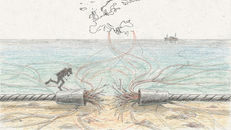
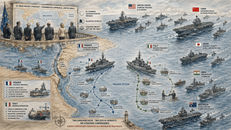
Maritime chokepoints have become instruments of geopolitical leverage. More than half of globally traded staple crops pass through at least one such passage, making disruptions in the Strait of Hormuz and Bab al-Mandab especially dangerous.
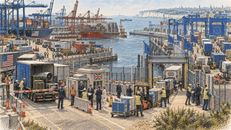
Europe's dependence on international trade leaves it exposed when economic connections become tools of coercion.
Brussels is defending institutions while others build alternatives
European leaders continue promoting universal rules, institutional reform and established diplomatic procedures.
Other powers are moving faster.
China has expanded its influence through BRICS, the Shanghai Cooperation Organization and international technical bodies, including those setting digital standards.
ECFR argues that Europe behaves like an architect defending an old blueprint while its competitors improvise with whatever institutions and partnerships remain useful.
Middle powers are taking over diplomacy
Multilateral cooperation is not disappearing. It is moving outside traditional Western-led structures.
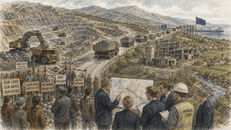
Barbados is reshaping debates over development finance, new infrastructure corridors are connecting regions, and Qatar, Oman and Turkey are increasingly important diplomatic intermediaries.
These flexible arrangements allow countries to address specific problems without waiting for agreement among major powers.
Europe risks losing influence if it continues treating such initiatives as competitors rather than potential partners.
Europe's double standards have damaged its credibility
ECFR also identifies a weakness in Europe's defence of international law.
European governments have repeatedly proclaimed universal principles while failing to apply them consistently. This has undermined their credibility among countries outside the West.
The author recommends concentrating on a narrower set of widely supported rules – particularly prohibitions against territorial conquest, attacks on civilians and nuclear weapons – and enforcing them more consistently.
Food insecurity could expose the next failure
A looming global food crisis offers a test of whether Europe can still lead.
Russia's war against Ukraine, maritime blockages and extreme El Niño conditions threaten food supplies while 2.3 billion people already experience food insecurity.
The UN helped manage the 2022 food crisis, but ECFR doubts it can perform the same role under current conditions.
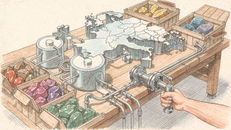
Europe could instead assemble a practical coalition with Brazil, Egypt, Kazakhstan, Mexico and Turkey to protect food and fertiliser shipments.
Brussels must learn to improvise
The proposed strategy is not to abandon the UN, but to stop expecting it to solve every crisis through traditional procedures.
Europe should engage with emerging international groupings, connect informal diplomatic initiatives to established institutions and cooperate more closely with countries such as India, Brazil, Indonesia and South Africa.
That requires using political influence selectively rather than spending it defending every feature of the old order.
The last word: Europe cannot rebuild yesterday's world order
ECFR's warning is that international cooperation is surviving, but its methods and centres of influence are changing faster than European diplomacy.
The EU still possesses economic weight, institutions and valuable partnerships. But those advantages will matter less if Brussels insists on defending structures that other countries increasingly bypass.
Europe must help shape the new networks of cooperation – or watch others establish the rules of a world that no longer waits for it.