World Center for Strategic Studies
From closed analysis to public debate
- MONTH
- YEAR

Europe’s Economic Shield Is Too Weak: Italy and Germany Face a World of Coercion
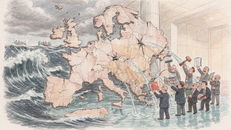
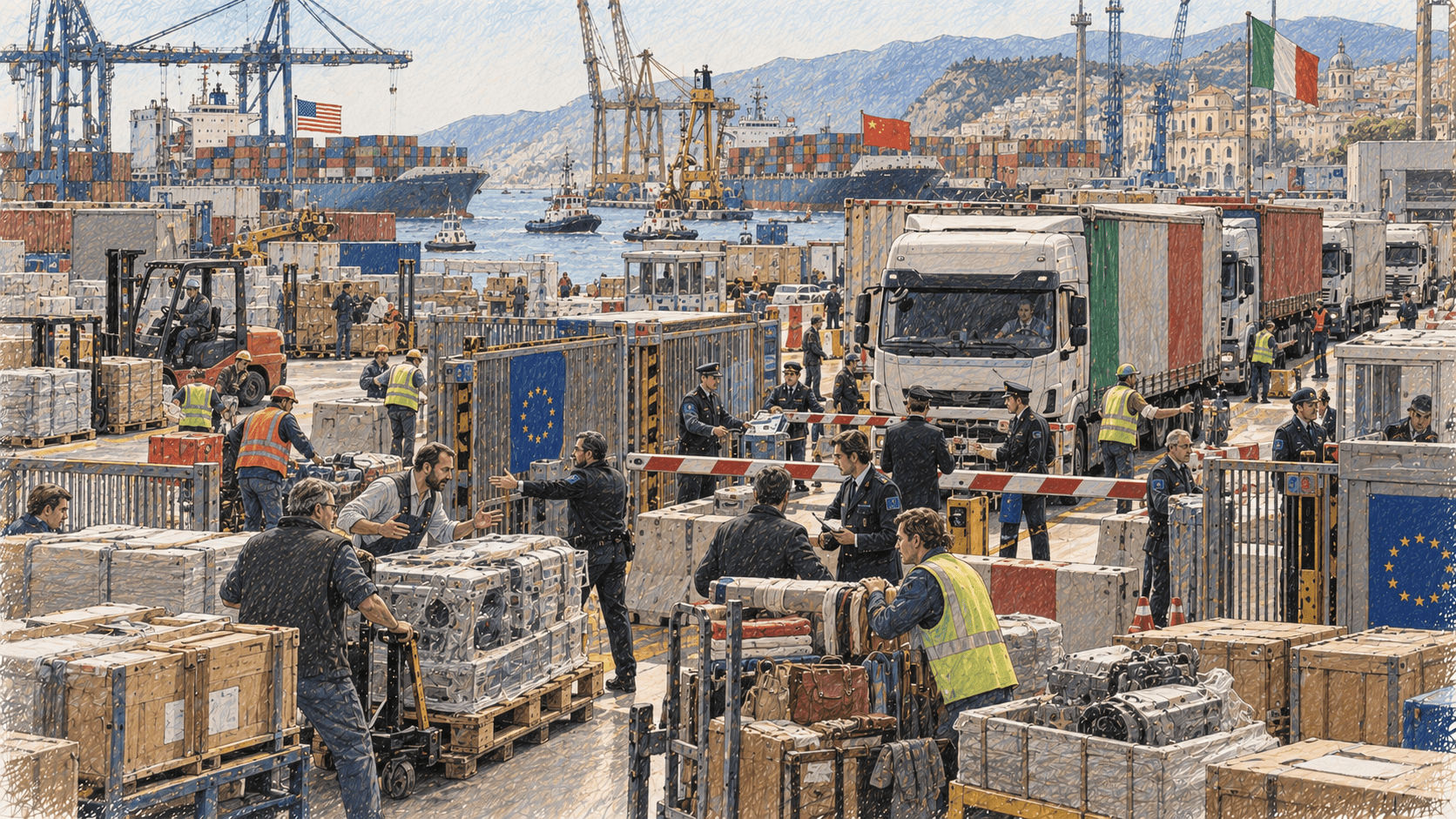
Europe built its prosperity on openness. Now that openness is being turned into a weapon. ISPI argues that trade, investment, technology, energy and supply chains have become instruments of geopolitical pressure as the US and China compete and the rules-based trading system weakens.
Germany and Italy are particularly exposed because their industrial models depend heavily on international markets and complex cross-border production. Europe’s challenge is ugly: protect itself without destroying the openness that made it rich in the first place.
Globalisation has turned hostile
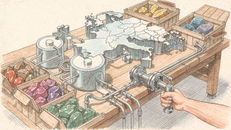
Economic interdependence was supposed to make confrontation more expensive. Instead, governments have learned that dependence itself can provide leverage.
Tariffs, export controls, investment restrictions, subsidies and supply-chain pressure are increasingly used for strategic purposes.
That leaves European economies operating in a world where commercial decisions can suddenly become national-security decisions.
Germany’s old model takes another hit
Few European countries benefited more from globalisation than Germany – and few have more to lose from its fragmentation.
Its manufacturing economy was built around exports, international supply chains and access to major markets. The breakdown of the old relationship with Russia already exposed the dangers of energy dependence.
Now competition with China and a more confrontational US trade policy create pressure from both directions.
Italy cannot hide from the squeeze
Italy enters the same confrontation with different vulnerabilities.
Its manufacturing strength rests heavily on small and medium-sized companies integrated into European and global value chains. These firms can be badly exposed when tariffs, trade restrictions or geopolitical disruption increase costs.
Rome therefore needs economic security, but poorly designed protection could hurt precisely the exporters Europe is trying to defend.
Washington and Beijing set the pressure
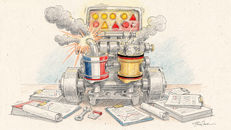
Europe is increasingly squeezed between its two largest external economic relationships.
China combines enormous industrial capacity with state support and growing technological strength. The US, meanwhile, is more willing to use tariffs and economic leverage even against allies.
For Italy and Germany, simply choosing one economic camp is no easy escape. Their prosperity still depends on trade with multiple markets.
Brussels risks fighting itself
The EU has responded with trade-defence instruments, investment screening, economic-security policies and efforts to reduce strategic dependencies.
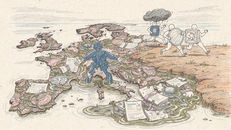
But there is a danger of fragmentation inside Europe itself. Member states differ over how far protection should go, which industries deserve support and how much economic cost they are prepared to accept for greater security.
If national responses diverge too far, Europe could weaken the single market while trying to protect it.
De-risking comes with a bill
Reducing dependence on vulnerable suppliers sounds straightforward. Rebuilding supply chains, securing critical raw materials and developing strategic technologies at home is neither cheap nor quick.
Europe therefore faces a painful trade-off. Too little protection leaves it open to coercion. Too much protection risks higher costs, weaker competition and slower growth.
Germany and Italy need to help build a European approach that protects critical sectors without turning economic security into indiscriminate protectionism.
The uncomfortable truth: Europe’s openness has become a strategic vulnerability
ISPI’s assessment points towards a difficult middle course – stronger European coordination, diversified supply chains and targeted protection while preserving as much international trade as possible.
Europe cannot return to the comfortable globalisation of yesterday. But if it responds to weaponised interdependence by fragmenting its own market, it could end up inflicting some of the damage on itself.