World Center for Strategic Studies
From closed analysis to public debate
- MONTH
- YEAR

Europe’s Arctic Gamble: Brussels Wants Power but Lacks the Means
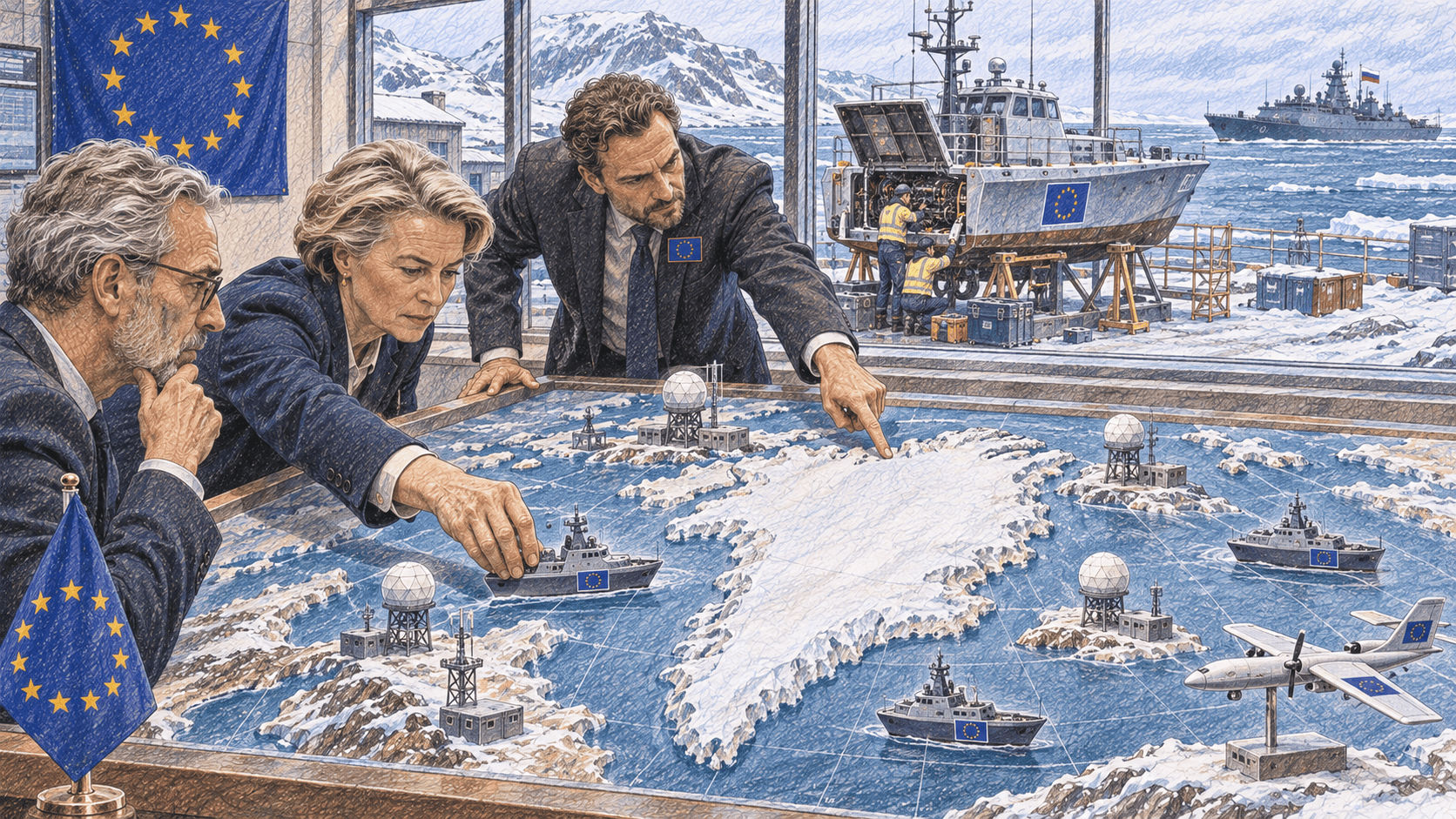
The Arctic is turning into a geopolitical battleground, and Europe is scrambling to catch up. Russia’s military expansion, growing threats to critical infrastructure and American pressure over Greenland have exposed the limits of the EU’s traditional approach to the High North. A Clingendael assessment by Karen van Loon warns that the EU’s new 2026 Arctic Strategy marks a major shift from environmental diplomacy towards security, investment and strategic competition. But behind the ambitious language lies a familiar European weakness – Brussels wants a bigger role without yet securing the money, institutions and operational capabilities needed to deliver it.
Russia forces a security rethink
The Arctic can no longer be treated primarily as a region of scientific cooperation and environmental protection. Russia’s war against Ukraine and its military activities in the High North have transformed the security environment.
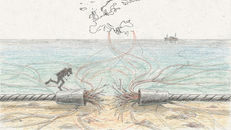
The new strategy gives greater attention to military risks, hybrid threats, surveillance and the protection of critical infrastructure. Maritime security, undersea connections and strategic transport networks are increasingly central to European security.
The EU is recognising that instability in the Arctic can directly threaten its economic and defence interests.
Washington raises the stakes over Greenland
American pressure on Greenland’s sovereignty has added a new source of uncertainty to Europe's northern security landscape.
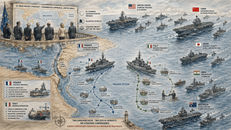
The EU must now navigate a region where Russia poses a growing military threat while its most powerful NATO ally pursues increasingly assertive interests.
Greenland's strategic location and resources make it particularly important. The challenge for Brussels is to strengthen its position without undermining cooperation with Arctic partners or their political autonomy.
A new neighbourhood without real muscle
The proposed Northern Neighbourhood is intended to deepen cooperation with Norway, Iceland, Greenland and Canada.
Yet the initiative lacks clearly defined institutional arrangements and dedicated funding. This creates a serious risk that a new geopolitical label will produce more diplomatic activity without stronger European influence.
Turning the concept into an effective policy will require clear responsibilities, sustained financing and concrete joint projects.
Critical infrastructure becomes a frontline
Europe’s Arctic ambitions increasingly focus on protecting maritime connections, improving surveillance and strengthening infrastructure resilience.
The region’s growing importance for transport, communications and strategic resources means disruptions could have consequences far beyond the High North.
The EU wants to move from supporting cooperation to building practical capabilities. But infrastructure protection and operational readiness require long-term investment, not simply political declarations.
Climate ambitions face an uncomfortable retreat
The strategy retains environmental and climate commitments, but security and industrial priorities are gaining ground.
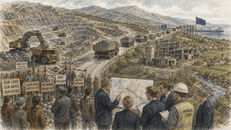
One significant change is the abandonment of the earlier proposal for a legal ban on new Arctic hydrocarbon development.
This illustrates the difficult choices confronting Brussels. Europe wants to defend its climate leadership while securing access to resources, strengthening industry and responding to geopolitical threats.
The result is a more pragmatic strategy, but also greater tension between environmental protection and economic security.
Ambition is outrunning implementation
The assessment identifies a decisive weakness: the gap between Europe's expanding Arctic objectives and its ability to carry them out.
The EU is seeking a more operational role, but effective implementation depends on funding, governance, infrastructure investment and coordination with Arctic partners.
Without these foundations, the new strategy risks repeating a familiar pattern – ambitious geopolitical commitments followed by uncertain delivery.
The big warning: Europe's Arctic ambitions need more than declarations
Brussels has finally acknowledged that the Arctic is becoming a strategic security frontier. But recognising the danger is not the same as acquiring the means to confront it.
The 2026 strategy offers an opportunity to strengthen European resilience, protect critical infrastructure and build closer partnerships across the High North. Its success will depend on whether the EU can turn political ambition into funded projects and sustained capabilities.
Otherwise, Europe risks becoming a spectator in a region increasingly shaped by decisions taken in Washington and Moscow.