World Center for Strategic Studies
From closed analysis to public debate

- MONTH
- YEAR

Europe’s American Shield Is Fading – And No Replacement Is Ready
Washington is pushing Europe towards a security order in which America carries less of the burden. Geopolitical Futures sees US negotiations with Moscow over Ukraine and demands for Europeans to defend themselves as parts of the same strategic shift – responsibility is moving back towards regional powers.
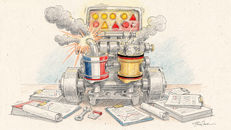
That leaves Europe in an awkward position. Decades of institutions have not produced a coherent security architecture capable of smoothly replacing American leadership. The transatlantic system worked because Washington ultimately sat at the top. A Europe forced to organise its own defence must now confront divisions that US dominance helped keep under control.
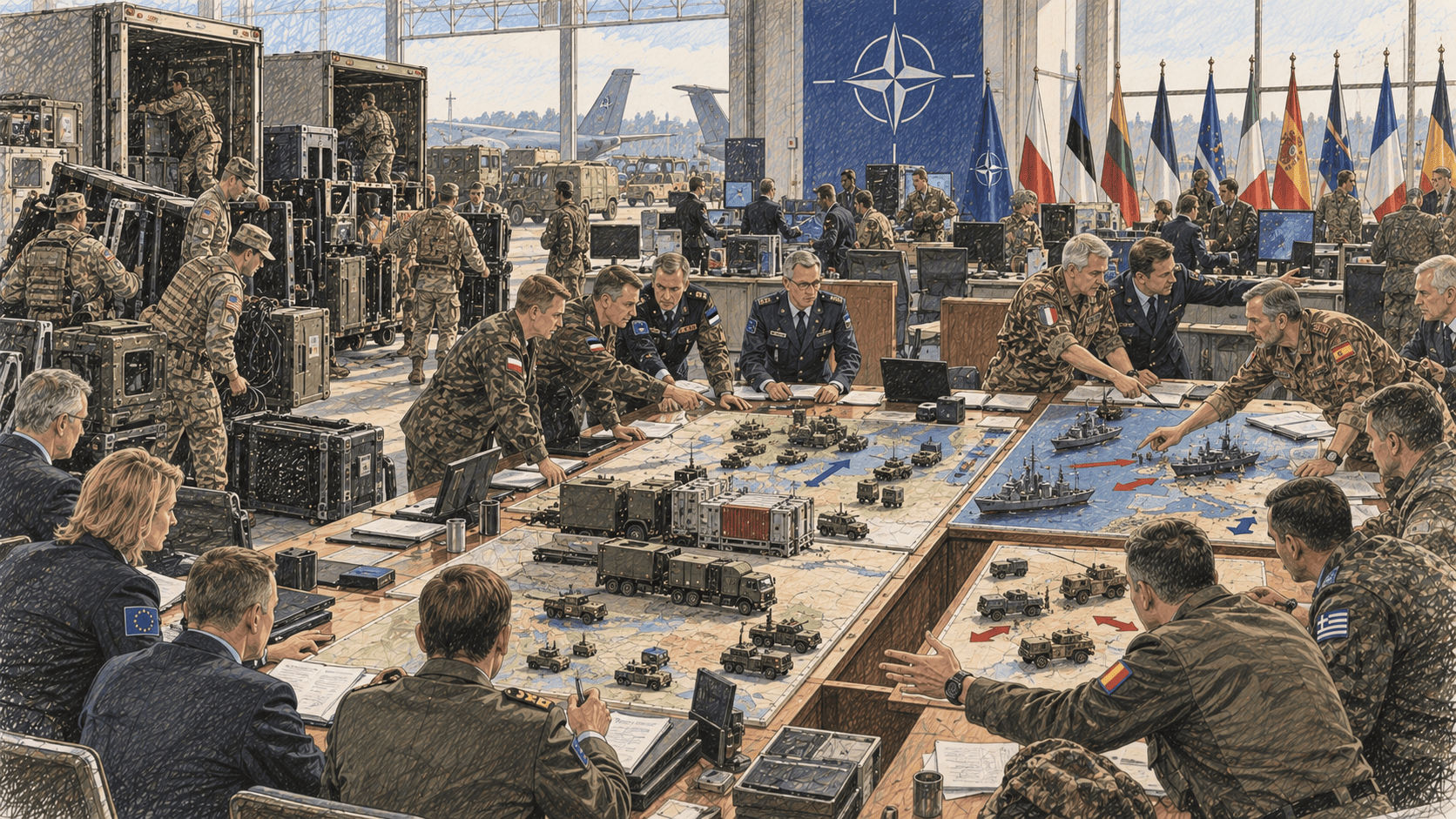
Washington is changing the bargain
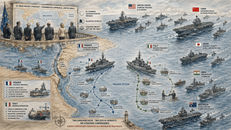
America’s approach is moving away from the post-Second World War model in which the US underwrote European security and managed the strategic balance with Russia.
Washington increasingly wants regional allies to assume responsibility for their own neighbourhoods. Direct US engagement with Moscow over Ukraine fits that logic rather than contradicting it.
For Europe, this means American retrenchment is not simply a dispute over defence spending. It reflects a deeper redistribution of strategic responsibility.
NATO hid Europe’s political weakness
European security cooperation has benefited from one enormous advantage – the United States could provide leadership when European interests diverged.
Military capabilities mattered, but so did political hierarchy. Washington supplied the weight that helped hold a continent of competing states and regional interests inside a common strategic framework.
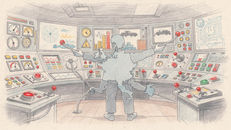
Reduce that American role and Europe does not merely lose capabilities. It loses the power that helped organise the system.
Unity gets harder without America
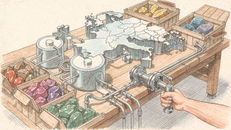
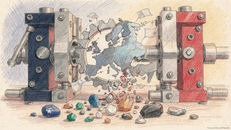
Europe is not a single geopolitical actor with identical threat perceptions.
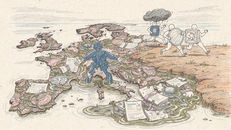
Countries closest to Russia naturally concentrate on Moscow. Southern Europe must also contend with instability across the Mediterranean and North Africa, while the Balkans remain vulnerable to unresolved political and ethnic tensions.
Building a genuinely European security architecture therefore means reconciling different priorities rather than simply increasing military budgets.
The Balkans expose the danger
Southeastern Europe illustrates what can happen when external strategic discipline weakens.
Bosnia-Herzegovina remains politically fragile, Serbia retains close historical and political links with Russia, and regional disputes have never completely disappeared.
A reduced American presence could force European powers to assume greater responsibility for containing these tensions – precisely when they are already being asked to strengthen deterrence against Russia.
Russia gets more room to manoeuvre
Moscow does not need to dominate Europe to benefit from a more fragmented security environment.
If European states disagree over threats, priorities and relations with Russia, Moscow gains opportunities to exploit those divisions and deal with governments separately.
Washington’s reduced role could therefore create more space for Russian influence even as European governments spend more heavily on defence.
Europe must build while America steps back
The challenge is brutally difficult because the transition cannot wait until Europe has designed a perfect replacement.
Europe needs greater military capability, stronger political coordination and a workable division of responsibility while the strategic environment is already changing.
Institutions built under American leadership cannot automatically become substitutes for American leadership.
The warning sign: Europe is losing its security organiser
Geopolitical Futures’ assessment points to a structural problem deeper than arguments about NATO budgets. The old order depended not merely on American weapons but on American primacy holding competing European interests together.
If Washington continues transferring responsibility to regional partners, Europe will have to prove it can provide both the military power and political leadership that the US once supplied.