World Center for Strategic Studies
From closed analysis to public debate
- MONTH
- YEAR

Europe’s Global Reality Check: The World Is Moving On Without It
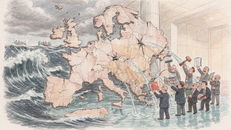
Europe still talks like a rule-maker in a world increasingly shaped by bargaining, competing powers and countries determined to choose their own partners. DIIS argues that the shift to multipolarity is exposing a serious weakness in European foreign policy – the assumption that European priorities and values will automatically carry universal authority.
Across the Global South, that approach can look self-serving, paternalistic and burdened by colonial history. Unless Europe adapts, it risks losing credibility and influence precisely as China, Russia and other powers offer governments more room to manoeuvre.
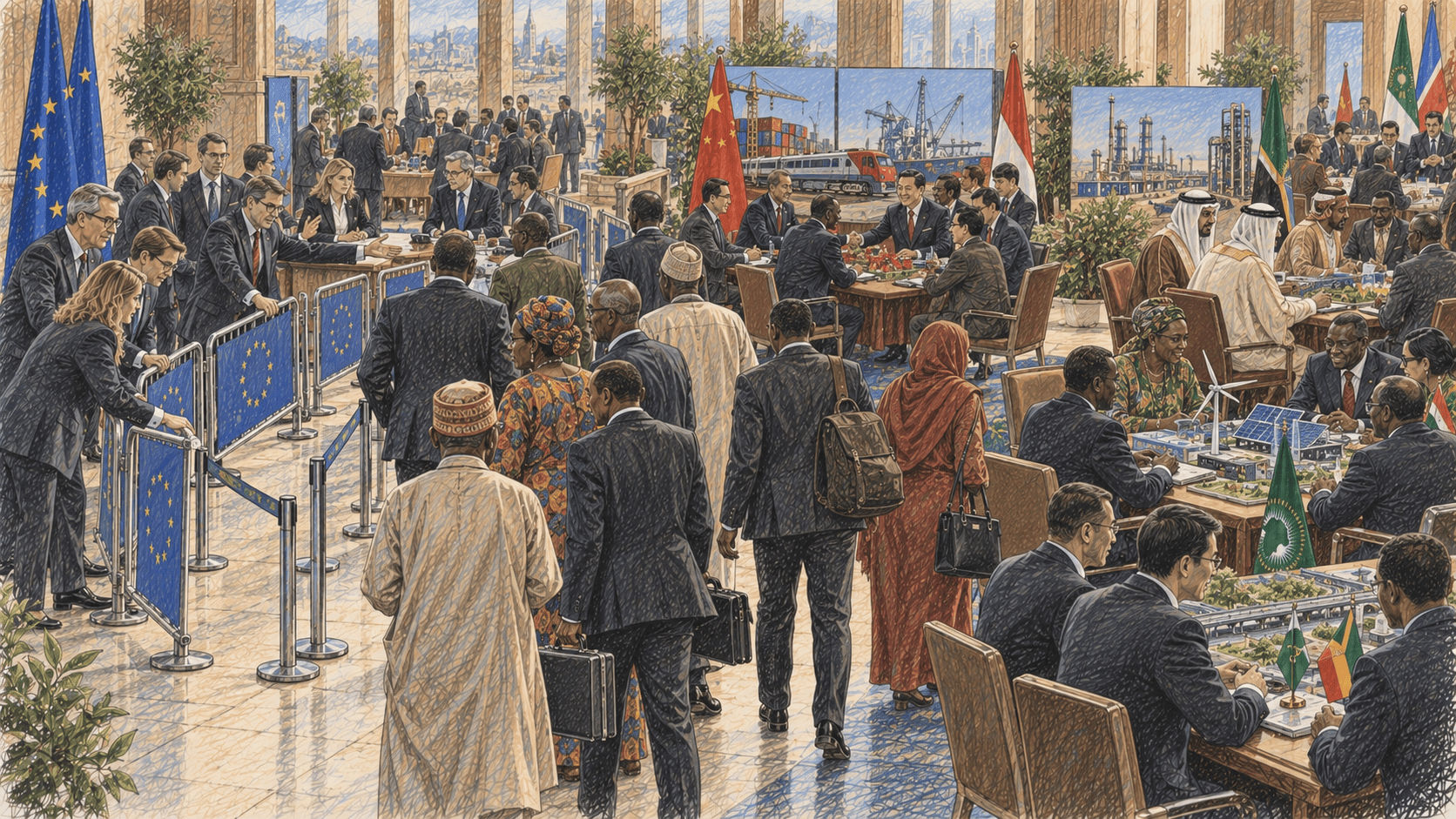
Europe no longer sets the terms
The post-Cold War moment that gave Europe enormous confidence in liberal rules and institutions is fading.
Countries across Africa and the wider Global South have more diplomatic options and are increasingly willing to pursue multiple partnerships rather than line up behind Europe or the broader West.
For Europe, that means influence can no longer be taken for granted. Partners have agency, alternatives and their own definitions of national interest.
Universalism has become a liability
DIIS identifies a particularly uncomfortable European habit – presenting its own political priorities as though they were automatically universal ones.
That can backfire badly. Policies framed in Europe as principled or rules-based may be interpreted elsewhere as instruments of European power, especially when they collide with local interests or memories of colonial domination.
The result is a credibility problem: Europe believes it is defending common principles while potential partners may see another outside power telling them what their priorities should be.
Africa exposes the weakness
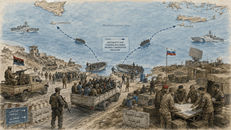
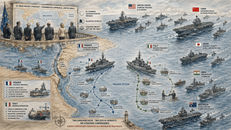
European maritime security policy offers a clear example.
Europe approaches African partners concerned about migration, piracy, organised crime and instability. But African governments and communities do not necessarily rank threats in the same way or accept European prescriptions for dealing with them.
When Europe begins with its own security concerns rather than local political realities, cooperation risks becoming transactional and fragile.
China and Russia widen the choice
Multipolarity gives European partners alternatives.
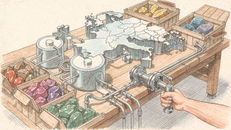
Governments can work with Europe on one issue, China on another and Russia or regional powers elsewhere. They do not need to accept an exclusive geopolitical camp simply because Brussels believes the strategic stakes demand one.
That leaves Europe competing for influence rather than dispensing it – a much less comfortable position for a continent accustomed to presenting itself as a regulatory and normative power.
Fragmentation weakens Europe further
Adapting to multipolarity does not mean abandoning European interests. DIIS argues that Europe still needs enough strategic cohesion to act effectively.
That creates a difficult balancing act. Europe must become more united internally while becoming more flexible externally – strong enough to defend its priorities, but pragmatic enough to recognise that partners have priorities of their own.
Without cohesion, European states lose weight. Without humility, Europe loses partners.
The hard lesson: Europe cannot lecture its way to influence
DIIS’s message is that European foreign policy needs to start with the world as it exists rather than the international order Europe would prefer to preserve.
In a multipolar system, relevance has to be earned. If Europe cannot combine strategic power with partnerships grounded in local realities, other players will happily occupy the space it leaves behind.